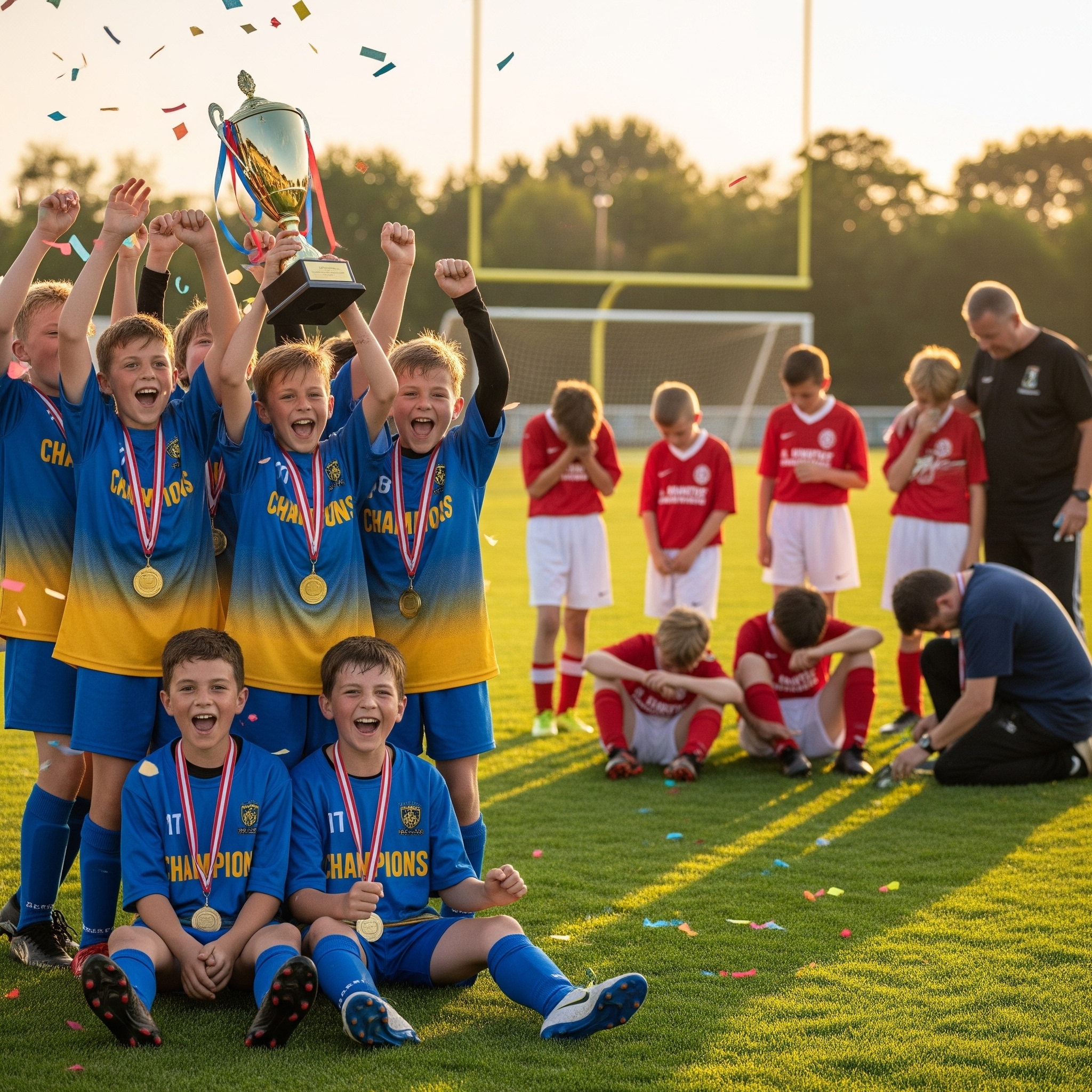

From the golden era of the New York Yankees to the dominance of the Chicago Bulls, and from the dynastic San Antonio Spurs to the modern reign of the Houston Astros, one truth stands tall: greatness in sports is never accidental. Whether in the dugout or on the hardwood, winning teams share a common blueprint rooted in culture, leadership, strategy, and cohesion.
For baseball and basketball fans alike, it’s easy to point to talent as the primary factor but the most dominant franchises prove that lasting success goes far deeper.
So, what exactly do the greats have in common? Let’s dig into the fundamentals of building a winning team.
1. It Starts at the Top: Vision and Culture
Every great team begins with strong leadership ownership and front office executives who set the tone for everything. The culture they establish flows down to the coaching staff, to the locker room, and ultimately to the fan experience.
In basketball, the San Antonio Spurs are the gold standard of culture-driven excellence. Under Gregg Popovich and GM R.C. Buford, the franchise fostered a system built on humility, team-first mentality, and consistent fundamentals. They didn’t just acquire stars they built them into selfless champions.
In baseball, the St. Louis Cardinals have long maintained “The Cardinal Way” a player development philosophy that emphasizes consistency, discipline, and professionalism from the minors to the majors.
Winning franchises tend to share:
- A commitment to character and discipline
- Stability in leadership, allowing a culture to mature and compound
- Great teams don’t just want to win they want to win a certain way.
2. Elite Coaching and Strategic Leadership
Coaches and managers are the heartbeat of a team. They’re responsible not just for in-game decisions but also for creating an environment where talent can thrive.
Phil Jackson didn’t just win with Michael Jordan and Kobe Bryant he created systems (like the triangle offense) that made room for role players to shine. He cultivated trust and unity across star-studded rosters. Similarly, Steve Kerr’s Warriors reflect a blend of modern spacing, player empowerment, and strategic flexibility.
In baseball, Dusty Baker is known not only for his baseball IQ but for his ability to manage personalities and build winning cultures across multiple teams. Bruce Bochy, with three World Series titles, was a master of bullpen management and postseason preparation.
Top coaches and managers:
- Establish clear expectations and accountability
- Know how to manage egos and foster unity
- Balance analytics with intuition and experience
- Maximize player strengths and minimize weaknesses
3. Talent Development and Smart Acquisitions
All-star rosters don’t guarantee rings just ask the Brooklyn Nets or the 2000s Yankees. The most successful franchises invest in building talent from the ground up, while being shrewd about who they bring in.
The Houston Astros rebuilt through the draft, transforming a struggling franchise into a World Series contender by investing in scouting, analytics, and player development. Similarly, the Los Angeles Dodgers maintain a balance of homegrown stars (like Clayton Kershaw and Walker Buehler) with smart acquisitions (Mookie Betts, Freddie Freeman).
In basketball, the Golden State Warriors became a dynasty not by signing superstars but by drafting and developing them. Stephen Curry, Klay Thompson, and Draymond Green grew together under a unified vision before adding Kevin Durant to the mix.
Keys to sustained success:
- Build through smart drafting and international scouting
- Create a development system that mirrors the major league or pro level
- Balance rising stars with proven veterans
- Make high-impact, low-ego acquisitions
4. Team Chemistry
A roster full of superstars can still fail if the locker room lacks unity. Chemistry is often the difference between talent that competes and talent that wins.
The 2016 Chicago Cubs, under Joe Maddon, blended youthful energy with veteran wisdom. Players genuinely enjoyed one another, leading to on field resilience and trust under pressure. That chemistry carried them through the most important Game 7 in franchise history.
Basketball dynasties like the Bulls and Spurs thrived because players accepted their roles. Dennis Rodman didn’t need to score he rebounded and defended. Manu Ginóbili could’ve started anywhere but came off the bench because it was best for the team.
Strong team chemistry is built on:
- Defined roles and mutual respect
- Selflessness and accountability
- Strong locker room leadership
- Open communication and shared goals
5. Adaptability and Innovation
In sports, yesterday’s strategy can quickly become obsolete. Elite franchises stay ahead of the curve by adapting to rule changes, embracing data, and evolving their style of play.
The Tampa Bay Rays revolutionized modern baseball strategy with the “opener” and aggressive shifting staying competitive with one of the league’s smallest payrolls. The Dodgers and Astros have also leaned into advanced analytics, building high-powered offenses and efficient pitching staffs.
In the NBA, teams like the Warriors changed the game by embracing three-point shooting and positionless basketball. Analytics now dictate lineup combinations, shot selection, and even defensive matchups.
Innovative teams typically:
- Invest in analytics and tech
- Rethink traditional roles and lineups
- Use data to inform draft picks, trades, and in-game decisions
- Adjust to injuries, trends, and matchups with flexibility
6. Legacy and Continuity
True greatness isn’t just about winning once it’s about building something that lasts. Legacy is what makes a franchise iconic.
The Lakers and Celtics continue to attract star players because of their history and organizational prestige. In baseball, the Yankees’ 27 championships and the Cardinals’ development system make them perennial contenders.
Great legacies include:
- Consistent core values passed down across generations
- A recognizable playing style or system
- Institutional knowledge that survives coaching or player changes
- A reputation that draws in top talent
Conclusion: Greatness Is Built, Not Bought
From the baseline to the batter’s box, the greatest franchises all follow a proven formula: strong culture, sharp leadership, smart talent development, and the ability to evolve. These are the pillars of every legendary sports franchise.
Do you think your team has what it takes? Got a hot take on front office decisions, coaching hires, or who’s building the next dynasty?
Join the conversation with fans who live and breathe this stuff. Not a TILAF member? Register now at Take it Like a Fan and be part of a sports community that knows greatness doesn’t happen by accident.